

A guide for first-time filmmakers
REEL
SMART
What Nobody Told You About Making Films, Getting Them Seen, and Moving Forward.
A no-BS interactive guide for first-time filmmakers who want to get their work seen, avoid rookie mistakes, and keep building after the shoot is over.
ContinueContents
Chapter One
Nobody Told You
Any of This.
A note before we begin: this site is not going to tell you how to hold a camera. It's not going to teach you three-act structure or explain what a gaffer does. You can find that stuff anywhere. What you can't find — at least not in one place — is the honest truth about what happens after you make your film. That's what this is.
Let's say you've made something. Maybe it's a short film you shot with friends on a weekend. Maybe it's a documentary about your neighborhood, or a five-minute sci-fi piece you edited entirely on your laptop at midnight. Whatever it is — you made it. You survived the whole chaotic process of writing it, finding people to help, actually shooting it, and sitting through the edit about forty times until you didn't hate it anymore.
Now what?
This is where most first-time filmmakers hit a wall. Not because they don't have talent. Not because their film isn't good. But because no one ever explained how any of this actually works.
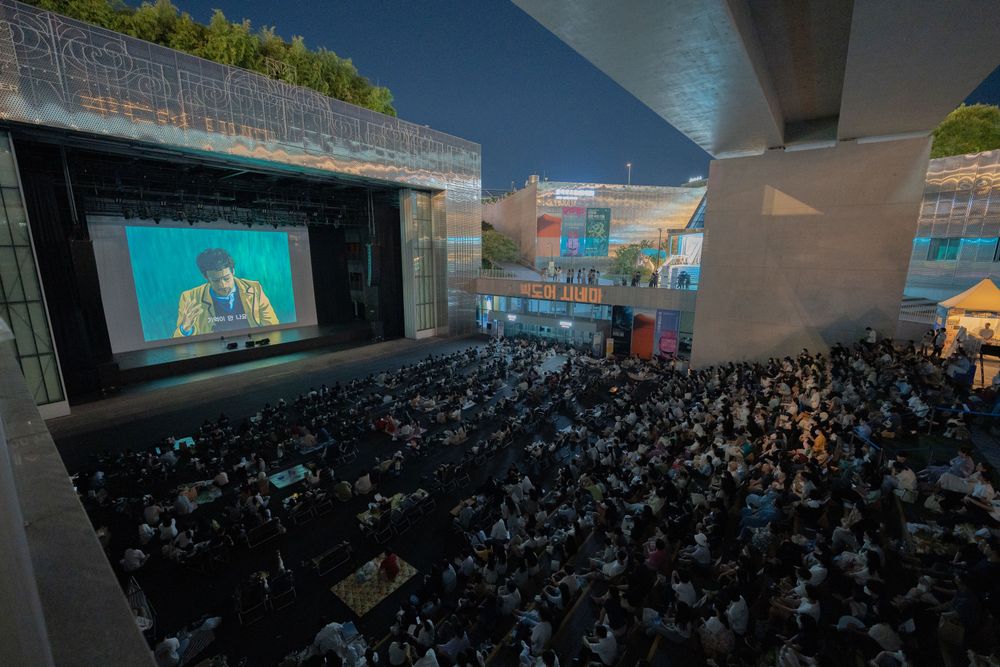
Film festivals are communities — and the right one is waiting for your film.
Here's a truth that rarely gets said out loud: film festivals are not just about celebrating art. They're businesses. They have sponsors to keep happy, audiences to attract, venues to fill, and reputations to protect. The people who decide whether your film gets in are balancing a hundred pressures at once — and your film is one of thousands in their inbox.
Every year, programmers who watch thousands of submissions say the same thing: most filmmakers don't have a strategy. They finish their film, pick festivals that sound impressive, and hope. They submit at the last possible deadline — when programmers are burned out and slots are nearly full. They don't research. They don't reach out. And then they're confused when they get rejected.
You are not going to be that person. That's why you're reading this.
This site pulls from years of conversations with festival directors, programmers, publicists, and filmmakers. It draws from two previous books and dozens of podcast episodes built around one central question: why is there such a gap between what filmmakers expect and what actually happens?
The answer, every single time, comes down to information. Or rather, the lack of it.
There is a phrase worth keeping with you as you read: There's a festival for every film — but your film is not for every festival. (I've said this so many times over the years that I'm genuinely considering either trademarking it or having it inscribed on my tombstone. Possibly both.) Truly understanding what this means will save you years of heartbreak on your journey. That's what every chapter ahead is about. Let's go.
Chapter Two
Stop Using Film Freeway
Like a Shopping Cart.
Here’s a scene that plays out constantly: a filmmaker finishes their film, opens Film Freeway, sorts by deadline, picks the ones that sound cool, and hits submit on 30 festivals. Then they wait. Then they get 28 rejection emails. Then they wonder what went wrong. Nothing went wrong with the film. Everything went wrong with the approach.
Positioning your film is not glamorous work. It doesn’t involve a camera or a color grade. It’s research. It’s asking honest questions about what you made and who it’s actually for. And it is, without question, one of the most important things you can do after your film is finished.
Every festival has a personality. Not just a genre focus, but a whole vibe — the kind of audience they’ve built, the neighborhood they’re in, the films they’ve championed before. One festival might be scrappy and community-driven. Another might be slick and industry-facing. These are completely different rooms — and your film needs to walk into the right one.
Before you open Film Freeway, ask one question
What do you actually want from this festival run? The answer changes everything about which festivals make sense. Filmmakers who skip this step end up submitting to festivals that feel impressive but aren’t right for their film. Filmmakers who answer it honestly end up with a shortlist that actually makes sense.
- Build buzz: Start with smaller regional festivals. Get accepted, build a track record, let momentum do work for you before you aim higher.
- Find your audience: Target genre, identity-focused, or community festivals where your subject matter already has an engaged audience waiting for exactly what you made.
- Industry attention: Research which festivals consistently attract programmers, agents, and distributors — some events exist specifically to serve this function.
- Meet collaborators: Look for festivals with filmmaker lounges, panels, and mixer events where real relationships get built between real people.
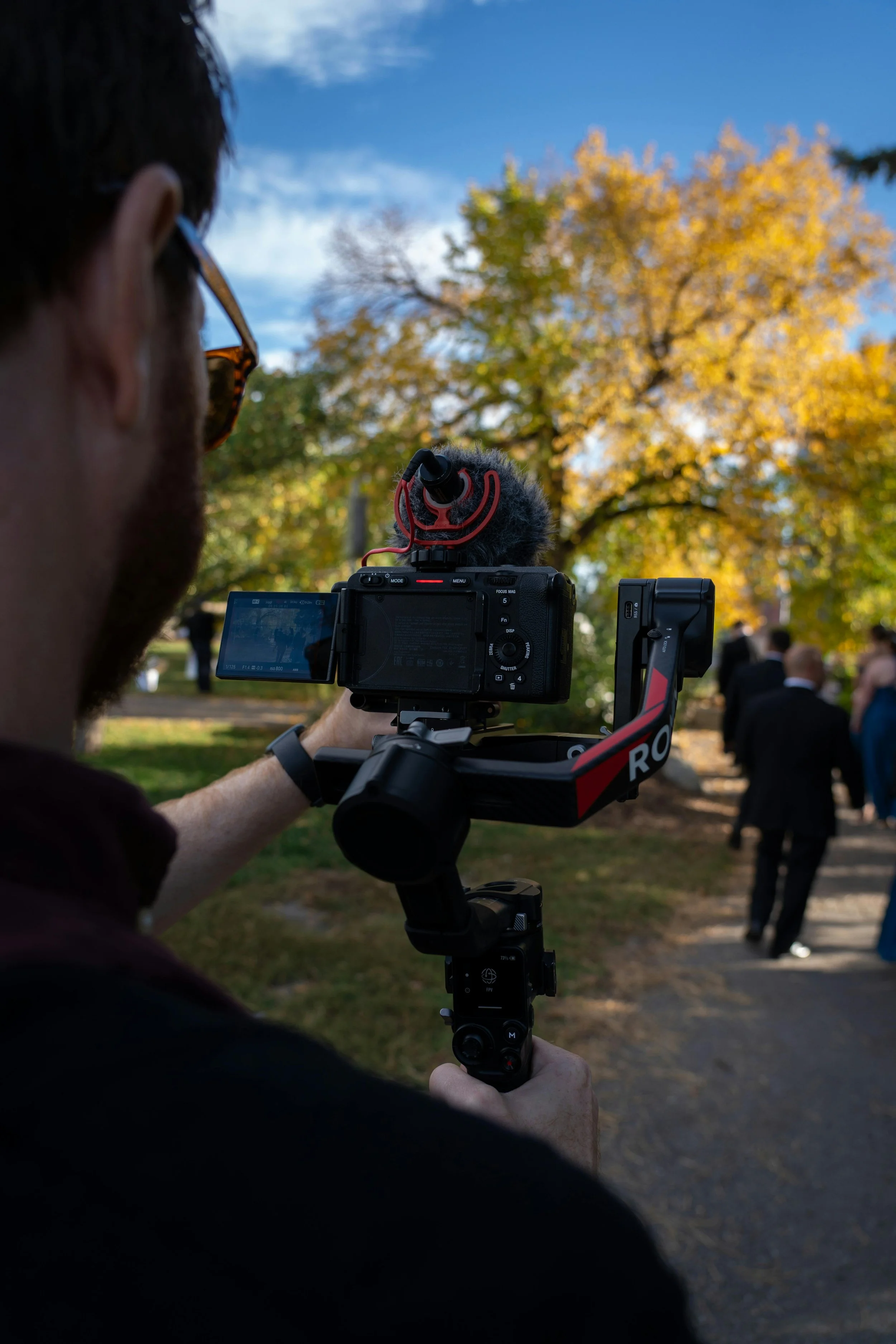

The 8-step submission process
Once you know what you want, here is the actual mechanics of submitting well. This is not a checklist to skim — every step here represents a mistake that costs filmmakers real money and real opportunities.
- Write an honest one-sentence description of your film. Genre, tone, length, subject. Not the pitch version — the real version. If you struggle to write it, that’s useful information. This sentence becomes the filter you apply to every festival you consider.
- Set your total submission budget before you start. Decide how much you can spend. Early-bird fees are almost always significantly cheaper. Your budget forces selectivity, and selectivity is the whole point.
- Build a longlist — then actually do your homework. Use Film Freeway to generate candidates. Then visit each festival’s website. Look at what they programmed last year. Ask: has this event ever shown a film like mine? If the honest answer is no, cross it off.
- Cross-check the Film Festival Alliance directory. The FFA at filmfestivalalliance.org lists member festivals who have committed to transparency standards. It’s a legitimacy signal and a research tool in one.
- Cut your list ruthlessly. Aim for 10–15 well-researched submissions, not 40 scattered ones. Think in tiers: a few reach festivals, a solid core of well-matched events, and a handful of niche festivals where your specific film is a natural fit.
- Submit early to all of them — every time, without exception. Early submissions cost less, get watched by fresh eyes, and don’t arrive in the final-deadline avalanche when programmers are exhausted and slots are mentally filled.
- Know what a season looks like. Your film has an 18–24 month lifespan. Map it out. If you accept a spot at one festival, don’t hold out for a bigger one — pulling a film after acceptance damages your relationship with that programmer. And programmers talk to each other.
- Ask for fee waivers the right way. Vague requests get ignored. A specific, researched note — “I’ve watched your past programs, my film is similar to X you showed last year, is there any flexibility on the fee?” — has a real chance. Show that you’ve done the work.
The running time problem
Most short film blocks run 90 to 120 minutes. The goal of a programmer building that block is to show as many diverse voices as possible. A 40-minute film takes up nearly half a block on its own. Your 40-minute film has to be as good or better than four 10-minute films combined to justify that trade-off — and the programmer knows it.
The best advice from film school still holds: at 13 minutes you have a nice film. At 9 minutes, it’s spectacular. If there’s a cut to be made, make it before you submit. But if the story genuinely demands the length, the solution isn’t to apologize for it. The solution is to arrive with a solution already in hand.
If your short runs 25 minutes or longer, identify a complementary film to suggest alongside yours when you submit. You’re not just submitting a film — you’re pitching a mini-program. This signals that you understand the programmer’s job, and it gives them a path to yes they wouldn’t have found on their own. Most programmers will genuinely appreciate it.
The packaging strategy: if your film is the awkward length
There’s a running time that lives in no-man’s land: anything from roughly 40 minutes to just under an hour. Too long for a shorts block, too short for a feature slot. Programmers who encounter these films often want to say yes and genuinely can’t figure out how to make it work. So make it work for them before they even have to ask.
Build a complete 90–100 minute screening experience: your film as the anchor, a complementary short with thematically connected subject matter, and a structured Q&A with local experts. The Q&A is especially powerful — it transforms a screening into a local event, something the festival can market to their community rather than just slot into a block. That’s a fundamentally easier programming decision.
A shorter feature was packaged with a complementary short and pitched as a single screening block. The result: programmed by a dozen festivals. A film that might have struggled to find a slot because of its running time became one of the easiest programming decisions those festivals made that season — because the work was already done for them.
How to build your package
- Find a companion film on the current circuit with complementary themes. Search festival programs and Vimeo Staff Picks. You want something that creates a conversation with your film — not a copy of it, a counterpart.
- Contact that filmmaker directly and propose a joint submission. Most filmmakers in the same position will say yes. It solves their problem too.
- For each festival you target, research two or three local voices relevant to your subject matter — academics, community organizers, journalists. A short note on their relevance is enough at the pitch stage.
- Write a one-page proposal: your film, the companion, Q&A structure, total runtime, and one sentence on why it works as a complete experience. Send it as a personal note to the programmer, not through Film Freeway.
- Be ready to negotiate. A programmer may want a different companion short, prefer a panel over a Q&A, or need the runtime adjusted. Stay flexible — the goal is a yes, not a perfect execution of your exact vision.
One last thing worth saying plainly: Sundance is not the goal. In a recent year, over 11,100 short films were submitted. They accepted 57. Around .5%. Many of those had prior relationships with the festival. For an unknown first-timer, it’s essentially a lottery. Meanwhile, there are hundreds of festivals that would genuinely celebrate your film, connect you with an engaged audience, and open real doors for your next project. The room where your specific audience already gathers is out there. Find it.
When you know you submitted smart, a rejection letter is data. When you submitted randomly, it’s just pain.
Chapter Three
Yes, Story Is Everything.
But Who Is It For?
Every filmmaker will tell you story is king. They're right. But there's a second sentence that almost never gets added: the story has to land with a specific human being sitting in a specific seat. That person is not you.
Here's something that sounds obvious but is genuinely hard to internalize: you are not the audience for your own film. You know every scene by heart. The emotional beats that hit you hardest might be invisible to a stranger walking in cold.
There's a difference between personal and self-indulgent. Personal means you had something real to say and you said it clearly. Self-indulgent means you got in the way of your own story.
What Audiences Actually Respond To
The honest answer is: feeling something. Not plot. Not technique. Not clever structure. Feeling. The more specific your story is, the more universal it tends to land. Audiences don't connect with broad. They connect with true.
Bad sound. If an audience can't hear clearly, they're gone. Sound is not a post-production afterthought. It's half the film.
Bad or miscast performances. If they can't deliver the scene, the audience stops believing everything.
Scenes that exist for the filmmaker, not the story. The location you loved. The shot you're proud of. If it doesn't serve the audience's experience, it's working against you.
An opening that doesn't earn attention. If your first 30 seconds don't pull them in, you've already lost ground.
What Actually Happens When They Watch Your Film
Let's settle one thing: yes, they watch your film. With very few exceptions, festivals watch submissions. But "watching" is not a single, uniform thing. Every festival defines it differently.
The screening process, step by step
- Screeners watch first. Your film is usually seen first by screeners — often volunteers evaluating general themes, pacing, and fit. Most festivals assign at least two or three screeners and use a scoring matrix.
- Top scorers move up. Films that score well move to a second round or directly to the programming team. Films that don't score well are set aside — often without the programming director ever seeing them.
- Programmers evaluate for fit. Not just "is this good?" but "does this belong here?"
- Final selections consider many factors: length, theme, production values, acting, originality, how the film plays with others, and sometimes the filmmaker's prior relationship with the festival.
The spectrum of "watch"
- Full watch (common for shorts): The entire film is watched before a score is assigned.
- Enough to know (common for features): A screener watches until they can determine fit — often 10–20 minutes.
- Quick read (small events): A single experienced programmer makes fast decisions based on years of pattern recognition.
- Always full when in contention: Any film seriously considered is watched in full before a final decision.
A filmmaker checks their Vimeo stats three days after submitting. One view, four minutes of watch time. Panic sets in. Almost certainly this is inaccurate. Many festivals download your film to watch offline — meaning zero Vimeo activity. Some watch on shared screens where only one play registers for eight people in the room. Stop watching your stats and start focusing on what you can control.
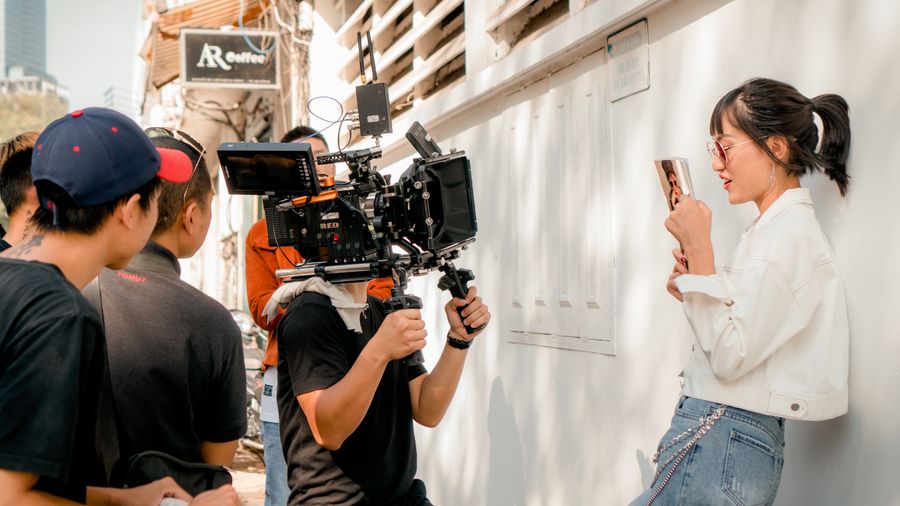
The best filmmakers think about their audience from the first day of production — not after the edit.
Five Questions to Ask Before You Call It Done
- Have I watched my film with someone who has no connection to it — and actually listened to how they responded?
- Is there any scene, shot, or moment I'm keeping because I love it, not because the audience needs it?
- Can a stranger follow the emotional logic of this film — not just the plot, but how it's supposed to make them feel?
- Does my film start strong enough that someone who's already watched a hundred films today would still sit up?
- Who specifically is this film for — and would that person feel like it was made for them?
Story is king. But a story told in an empty room is just a voice talking to itself. Your job as a filmmaker is to build the bridge between what you made and the person on the other side of the screen.
Chapter Four
Nobody Is Coming
Unless You Tell Them.
You made the film. You found the right festivals. You submitted early, you got in. Now you're sitting back waiting for the world to notice. This is the part where a lot of first-time filmmakers drop the ball — not because they don't care, but because nobody told them that getting accepted is only the halfway point.
Here's a distinction worth writing down: marketing is what you say about yourself. PR is what other people say about you. Both matter. Both require work.
The Logline Exercise
A logline is one or two sentences that captures the soul of your film: who it's about, what's at stake, and why anyone should care. It's not a plot summary. It's a hook — the thing you'd say to a stranger at a party before their eyes glaze over.
Build Your Logline
Fill in each piece of the formula. Your draft assembles in real time below — then rewrite it until it sounds like something a human being would actually say out loud.
Once you have a draft, say it out loud to someone who hasn't seen your film. If they look confused, rewrite. If they say "oh, I'd watch that" — you're close.
Do not contact press directly without talking to the festival first. Festivals have existing relationships with journalists and a coordinated media plan. If you go rogue, you can accidentally step on a bigger story they were building. Talk to the festival team first. Ask what they suggest. Then move.
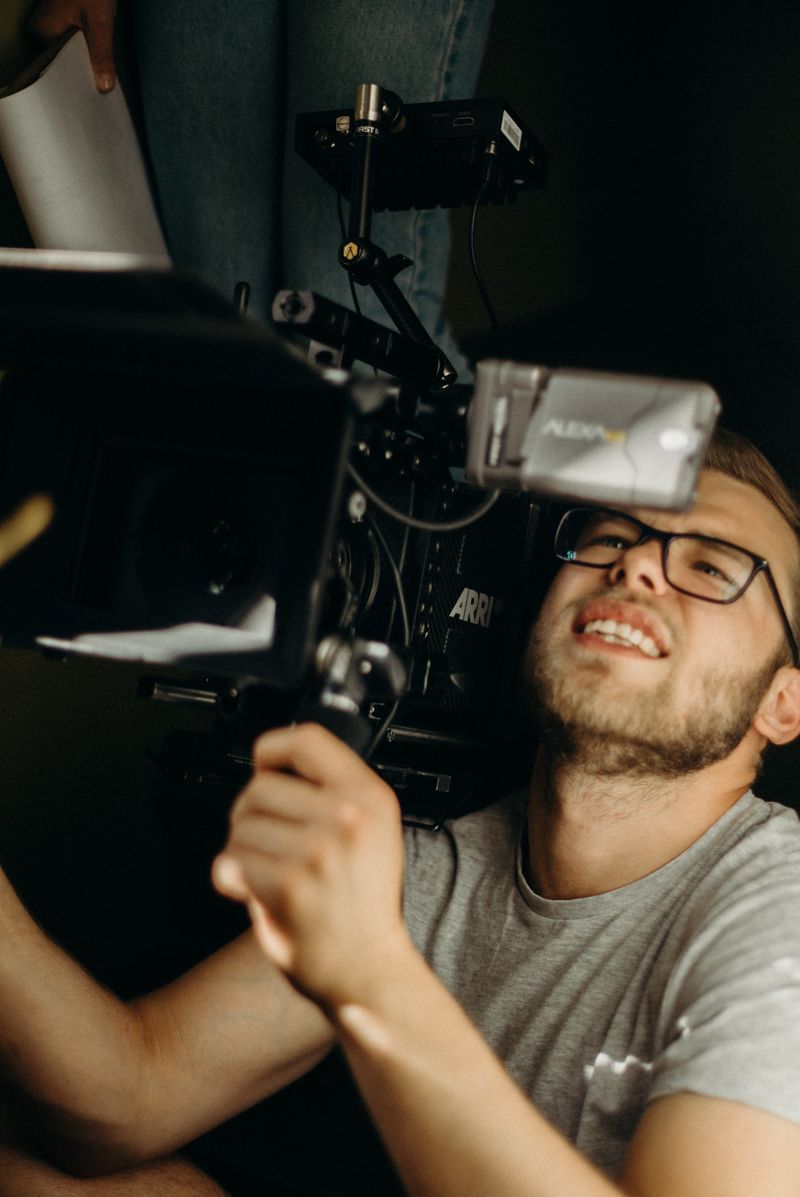
The filmmaker who shows up enthusiastic and prepared is the one programmers remember.
Get People Into Your Seat: The Postcard Rules
- Intrigue, don't explain. The postcard is your hook, not your synopsis. Title, logline, website. Leave them curious enough to buy a ticket.
- Leave the screening details blank. Add time, date, and venue by hand once your slot is confirmed.
- Hand them directly to people you meet. Every conversation is a potential ticket sale.
- Put them everywhere you're allowed to. Ask the festival first about where promotional materials can be placed.
Years ago, there was a short film about online hookups. The filmmaker printed small stickers — title, logline, website — and affixed them to individually wrapped condoms. Over a 60-festival run, more than 3,000 condoms were handed out. Every screening was full.
Was it a gimmick? Absolutely. Was it the right gimmick for that specific film? Completely. The handout was the film in miniature — it communicated exactly what the movie was about, made people laugh, made them remember, and gave them a reason to show up. That's the whole job.
The best festival marketing doesn't feel like marketing — it feels like a preview of the experience your film is going to deliver. If your film is funny, your handout should make people laugh. Find the object, the gesture, or the moment that puts people in the emotional world of your film before they've even sat down.
Marketing Yourself, Not Just Your Film
- Don't post your film publicly during the festival circuit. Use a password-protected link for screeners only.
- Make a trailer — but make it actually good. Sell emotional connection, not plot.
- Every person you meet at a festival — contact them the next day. Not a week later. The next day.
- Find the organizations already serving your film's audience. Offer free tickets. Partner with them.
Your reputation is your brand. The film world is small and programmers talk to each other. The filmmaker who is kind, professional, and grateful gets remembered in the best possible way.
Chapter Five
Top 10 Things You Should
NOT Worry About.
First-time filmmakers spend enormous energy on the wrong things. Not because they're careless — because nobody told them what actually matters. Every item below is a real anxiety that real filmmakers carry around, and every single one is either overblown, misunderstood, or completely irrelevant to whether your film succeeds.
Chapter Six
Top 10 Things You
SHOULD Worry About.
These are the things that actually sink films, derail festival runs, and quietly damage careers before they've even started. None of them are glamorous. Most of them get ignored.
Chapter Seven
The Circuit Ends.
You Don't.
At some point, your film will have run its course. The submissions slow down, the acceptance rate drops off. This is not failure. This is just the natural lifespan of a film — and knowing what to do at each stage is what separates filmmakers who keep building from those who quietly disappear.
Phase One: While Your Film Is on the Circuit
- Show up where your film plays. Watch it with a real audience. You'll feel the edit in ways you never could alone.
- Tell other festivals when something good happens. Got in? Email the ones you're waiting on. Won an award? Tell everyone.
- Follow up with everyone you meet — the next day. Not next week. The day after.
- Volunteer at a festival, even when your film isn't in it. This is tuition-free film school. It permanently changes how you edit your own films.
- Keep your film off the public internet. Until your circuit is genuinely finished, use password-protected Vimeo links for screeners only.
Getting your credential is the beginning — showing up is what matters.
Which Festivals Are Worth Attending in Person
The ideal answer: as many as you possibly can. But when you have to choose:
- Festivals where your screening is opening weekend. Opening weekend audiences are the most engaged — programmers are fresh, press is present, energy is highest.
- Festivals with filmmaker-only programs, panels, or activities. A festival that treats filmmakers as stars of the show is worth the trip.
- Top-tier or large regional events. The bigger the festival, the more programmers, distributors, and industry people are walking the halls.
- Any event featuring you in a well-moderated Q&A or panel. Show up, prepare, and film it — it's promotional content you can use for years.

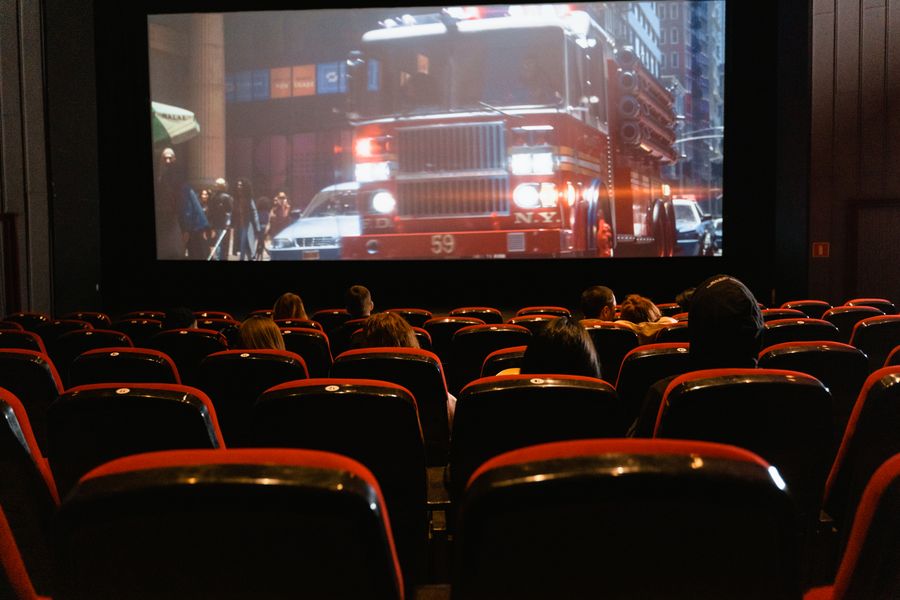
Every screening is a chance to watch your film the only way that counts — with real people in real seats.
Phase Two: When the Circuit Ends
Write a one-page newsletter about your film's journey. List every festival where it screened, the total estimated audience size, any press quotes, awards or honors, and a short reflection on what you learned. Email it to your crew, funders, and the festival programmers who took a chance on your film. This is your professional record. It closes the loop with everyone who helped you get there.
Phase Three: After the Circuit
- Distribution: Research shorts distributors, especially European ones who actively look for award winners.
- Education market: Documentary and social-issue films often find homes here. Educational institutions pay more per license than general consumers.
- Online release: Now you can post it publicly. Build a proper launch around it.
- Collaborative screenings: Program a showcase with filmmakers you met on the circuit and pitch it to indie theaters.
Be one of the ten. The connections you made on the circuit, the crew you found, the actors you discovered, the programmers who now know your name — all of that feeds your next project. None of it was just about this film.
Chapter Eight
You Already Did
the Hardest Part.
You made something. In a world where most people just consume — endlessly scroll, stream, share, move on — you actually made something. That's not a small thing. That's the whole thing.
But here — on the last page — what matters most is simpler than any of it: keep going.
That quote is from a festival director who has watched tens of thousands of films over decades of programming. He's not being polite. He genuinely means it — and he's right.
The world needs more diverse voices making more diverse films. It needs stories from places that rarely get screens, told by people who rarely get budgets, about experiences that audiences have never had the chance to recognize themselves in. The film festival ecosystem is waiting for yours.
A filmmaker once stopped production midway through a shoot because everything was falling apart. She shut it down. Lost the money she'd spent. Came back and made the film right. She only had the courage to do that because someone had told her, plainly, that settling was not an option.
That's the whole job. Give everything. Don't settle. Make another one.
You've heard that before. Now you know what it means. It means you are not making work for everyone. You are making work for someone — a specific person sitting in a specific seat who needs to see exactly the story you have to tell.
Go find that person. They're out there. They're waiting.
Now stop reading. Go make your next film.